How to Spot a Kitten Scam Before You Lose Your Deposit
The patterns behind online kitten scams, quick checks that can expose fake sellers and stolen listings, and what to do if you've already paid.
By Purry Editorial · 8 min read · Published Sep 25, 2026
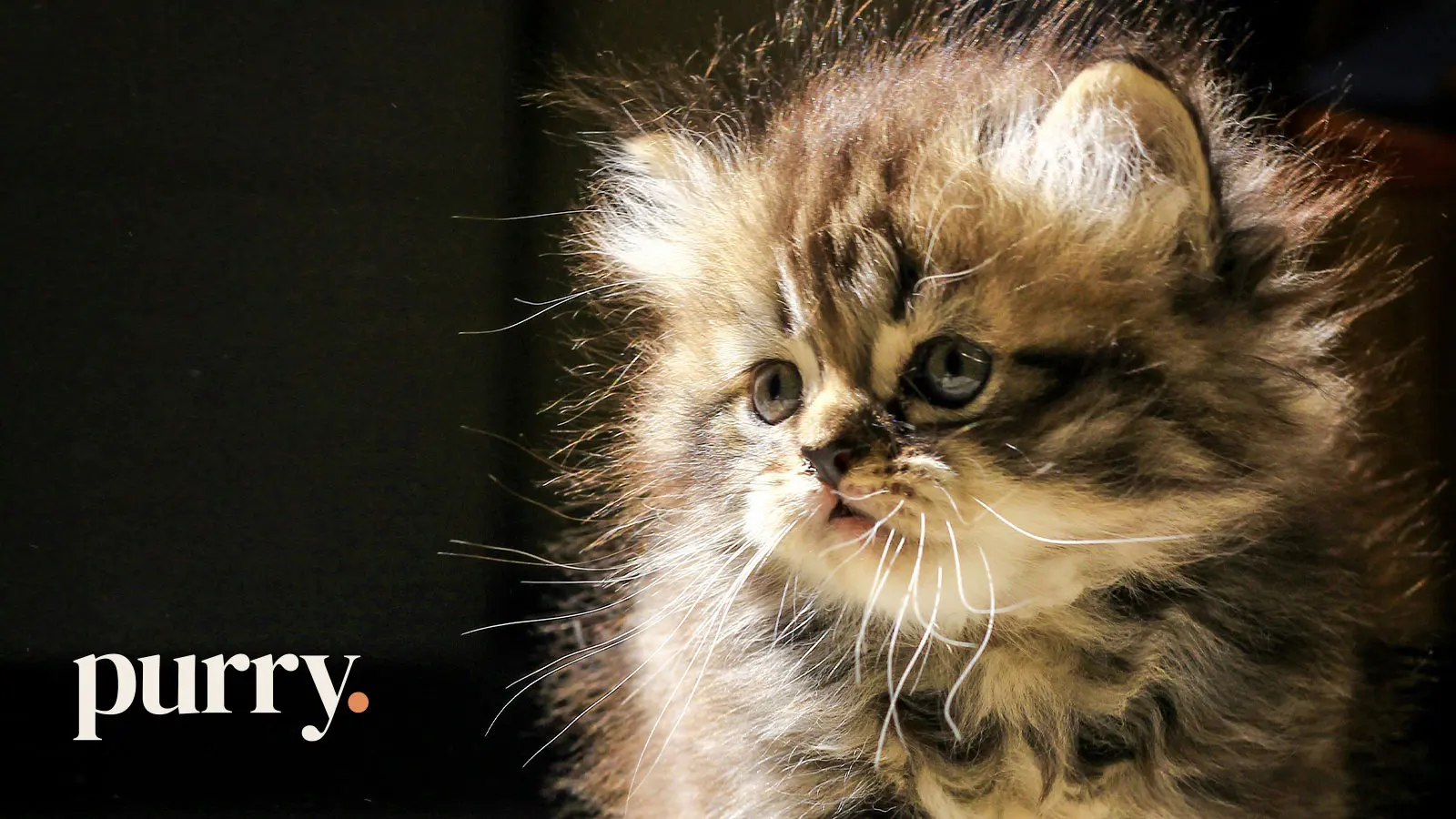
Kitten scams work because they look like the thing you're hoping for. A beautiful photo, a good price, a friendly breeder who answers fast, and a small deposit to hold the kitten before someone else does. By the time the "shipping crate fee" and the "pet insurance for transport" and the "customs release" arrive, the money is gone and the kitten never existed.
The good news is that most scams use the same handful of moves. The better news is that there's one question that gets past nearly all of them. Not "does this breeder look real?" but "can I independently connect this kitten, this breeder, this cattery, this contact information and this payment recipient to the same real person?"
Everything below is a way of asking that question.
What a scam looks like
One red flag may have an innocent explanation. Several together are a reason to stop and verify the seller before sending anything.
The price is too good. A purebred kitten from a registered cattery has a market price, and a scammer's price is usually well under it, because the price is bait.
The photos are perfect and the same everywhere. Scammers reuse photos from other breeders' sites, stock libraries and social media. The same kitten appears under three "catteries" in three states.
There's a story about why you can't visit. A deployment, a move overseas, a sick relative, the cattery being "three hours away" from wherever you say you are. The story is always why you can't see the kitten in person.
They won't do a live video call with the kitten. Not a sent video, which can be copied. A live call, with the kitten in frame and the person talking to you.
They insist on a hard-to-recover payment method. Gift cards, cryptocurrency, wire transfers and person-to-person payment apps are favorites because recovering money after an authorized payment can be difficult. Legitimate breeders have payment preferences too; the warning sign is insisting on a risky method, especially alongside the other signals.
The fees keep coming. The deposit is followed by a shipping fee, then a special crate the airline "requires," then insurance, then a certificate, then a quarantine or customs charge when the kitten is "stuck" somewhere. Each one comes with urgency and a promise that it's the last.
The shipper is fake. A separate "pet transport company" with a tracking number that shows the kitten in transit. The tracking page may be fake too. Don't use the phone number or link the seller gives you to check the shipper; find the carrier independently and contact it yourself.
Pressure. Another buyer is interested, the price goes up tomorrow, the kitten flies tonight. Real breeders have waiting lists and don't need to rush you.
The history doesn't exist. A breeder who has been breeding for eight years normally leaves a trail: older posts, previous litters, tagged owners, show results, reviews, registry activity. A brand-new account with forty perfect kittens posted in the same week deserves more investigation. A cattery claiming a long history but using a very recently registered domain deserves another check too; they may simply have launched a new site, so look for independent evidence of the older history.
A real breeder can still be impersonated
Finding the cattery on TICA, CFA, Google or Instagram doesn't prove the person messaging you controls it. Scammers copy a real breeder's name, logo, kitten photos and website text, then set up a similar domain or social account and take deposits in the real breeder's name.
If you found the kitten through an ad or a social post, independently find the breeder's established website or registry listing and contact them through the information published there. Don't rely only on the phone number, email or link in the advertisement.
The five-minute checks
Reverse image search the photos. Right-click, "search image with Google," or use TinEye. If the same kitten shows up under another name, you're done.
Search the cattery name, the email address and the phone number, each with the word "scam." Scam operations reuse them.
Verify the cattery independently. If the seller claims to be TICA, CFA, ACFA or CCA-AFC registered, look up the cattery through the registry yourself and make sure the breeder's name, location and contact details are consistent with the person you're talking to. A real cattery name can still be impersonated, so don't treat registration alone as proof that the person contacting you is legitimate.
Ask for a live video call, today, with the kitten and the person. Then ask for something you didn't request in advance: show the kitten's mother, turn the camera to the room, hold up today's date written on paper next to the kitten, show a marking from another angle. A prerecorded or manipulated video can't follow instructions. This isn't foolproof, since video fraud keeps improving, but it removes the easy fakes.
Ask about the parents. Who are the sire and dam, what are their registered names, can you see them, what health testing was done. A real breeder talks about their breeding cats naturally and at length. A scammer changes the subject.
Look up the vet yourself. If a clinic is named, find its published number independently and ask whether they can confirm what you've been told. Don't call a number supplied only by the seller.
Ask for the contract before paying. Read the breeder's legal name, the deposit terms and whether it's refundable, the kitten's details, the health guarantee, the return policy, and what happens if the kitten becomes unavailable. A contract isn't proof, since contracts can be copied too, but refusing to provide one before taking a deposit is a serious warning sign.
Check who you're actually paying. The name on the payment account should make sense for the breeder or business you've verified. If you're suddenly told to send money to a spouse, an assistant, a shipping agent or an unrelated third party, stop and ask why.
Pay in a way with protection. The FTC recommends a credit card where possible, because credit cards generally carry the strongest protections. Paying in person on collection is the other clean option.
Green flags aren't proof
A professional website isn't proof. Neither is a social page with thousands of followers, a TICA cattery name, a pedigree screenshot, a photo of a driver's license, testimonials, a video of kittens, or a shipping company's website. Scammers can copy almost all of them, and a screenshot of a registration certificate, vet record or payment receipt can be altered. Verify important documents with the organization that supposedly issued them when you can.
What matters is whether independent pieces of information connect to the same real person: the registry record, the established contact details, a live interaction with the kitten, the contract, the payment recipient and the breeder's history. When they all point the same way, you're probably dealing with someone real. When one of them doesn't, that's the thread to pull.
The rule about deposits
A deposit sounds small and reasonable, and real breeders ask for them too; many take reservations before kittens are old enough to leave. The difference is when. A legitimate deposit comes after you've verified who you're dealing with. A scam deposit comes first, to lock you in before you've checked anything, and every fee after it is designed to make walking away feel like losing the kitten and the money already paid.
So the rule is about order, not amount. Never pay because you're being rushed. Before sending a deposit, verify the breeder's identity independently, see the kitten in a live interaction, read the contract, understand whether the deposit is refundable, and make sure the payment recipient matches the person or business you've verified.
If you've already paid
Stop sending money. No further fee will release the kitten.
Save everything before it disappears: screenshots of the listing, the website, every message, the payment instructions, receipts, phone numbers, email addresses, usernames and the shipping page.
Contact your bank or payment provider immediately and ask whether the transaction can be reversed. Move fast; it sometimes works.
Report the seller to the marketplace or platform where you found them.
Report the fraud to the FTC at reportfraud.ftc.gov and to the FBI's Internet Crime Complaint Center at ic3.gov. The BBB's Scam Tracker is a useful additional report. Reports are how payment accounts and websites get shut down.
If you shared identity documents or sensitive information, secure your accounts and see the FTC's identity theft resources at identitytheft.gov.
Don't be embarrassed. These operations are professional and they catch careful people. Your report stops the next person.
What it looks like on Purry
Purry makes some of the checks above easier, but you still need to run them yourself. Every seller verifies their identity before anything they post is public, a breeder whose registry a person has checked carries the Registry Checked chip, every listing has its price and a ready date, parent cats are shown on the listing, reviews come only from buyers who actually contacted the seller, and every listing carries the same line: never pay anything before you've seen the cat, on a live video call or in person. You pay the seller directly, and Purry never holds the money for a cat. Under it, every listing spells out the rules for deposits:
Deposits. Verified breeders often take a deposit to hold a kitten or a place on a future litter, and that's normal. Before you pay one: have a live video call where you see the cattery, the parents and the kitten if it's born; get a written contract that states the deposit amount and when it's refundable; and make sure the payment goes to the name you verified. Never pay with gift cards, cryptocurrency or wire transfer.
Individual sellers have had their ID verified, but no registry checks them. Don't send money before you have met the cat in person.
If anyone pushes for money before a live call, adds fees after the deposit, or insists on a payment method you can't reverse, stop and report the listing.
Paying the seller directly matters too. Purry never touches the money for a cat, so there's no "Purry payment" for a scammer to imitate. If anyone claiming to be from Purry asks you for money, it isn't us.
Browse cats from verified sellers
Sources and further reading
- Federal Trade Commission, What to know before you buy a pet online: https://consumer.ftc.gov/articles/what-know-before-you-buy-pet-online
- Federal Trade Commission, report fraud: https://reportfraud.ftc.gov/
- Federal Trade Commission, identity theft resources: https://www.identitytheft.gov/
- FBI Internet Crime Complaint Center: https://www.ic3.gov/
- Better Business Bureau, Scam Tracker: https://www.bbb.org/scamtracker
- TICA, Pet Buyer's Guide: How to Avoid Scams: https://tica.org/pet-buyers-guide/
- Purry guide: Bringing your new cat home: /guides/bringing-your-new-cat-home